Contact us


Request received!
Thank you for taking the first step in being a part of E-movement. Our team with follow up with you soon!
Fleet Electrification: Why It’s the Future of Logistics
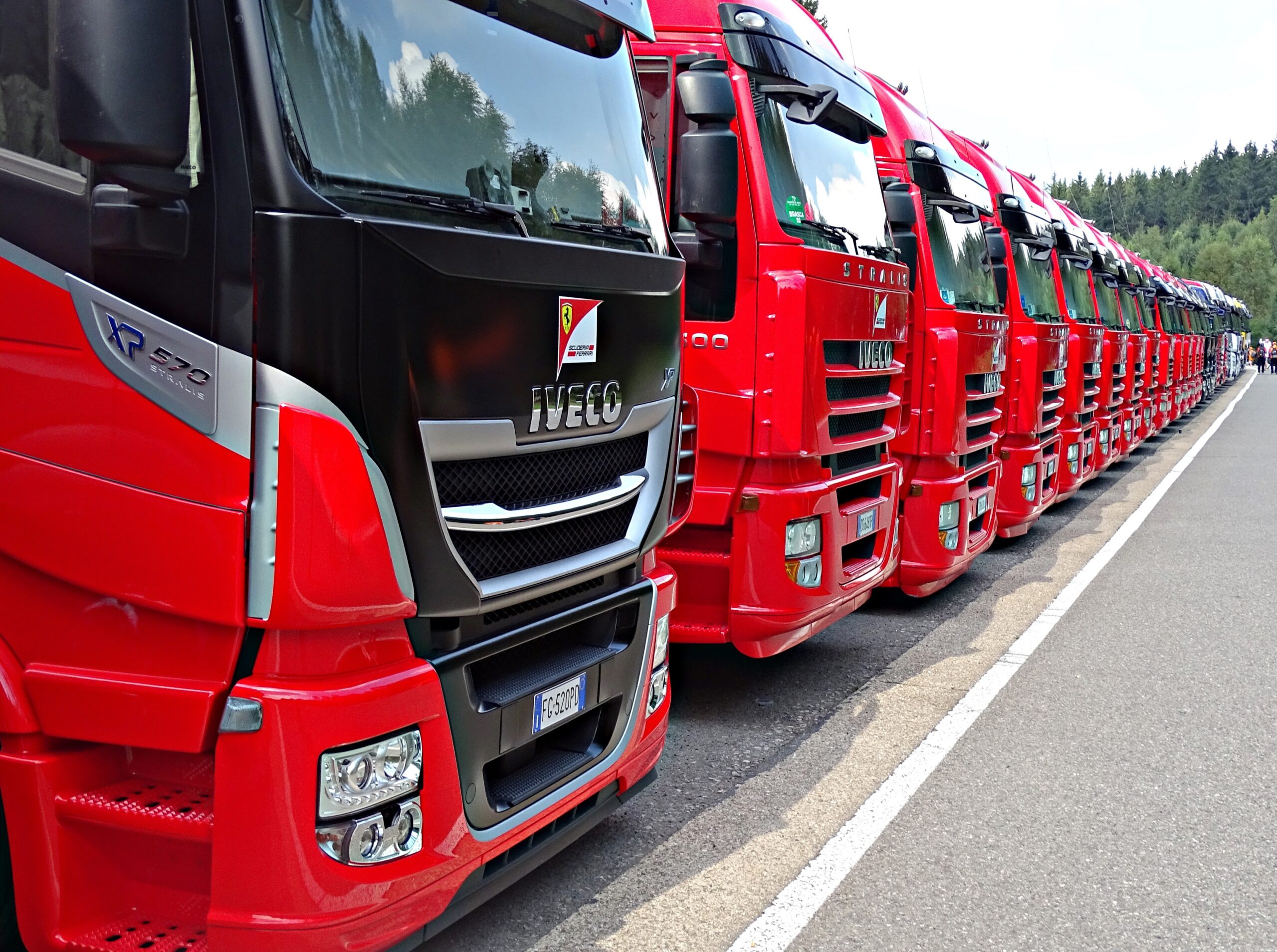
The way we move goods is changing, and fast. Fleet electrification isn’t just a trend; it’s a transformation that’s redefining logistics and transportation across India and beyond. As businesses look for smarter, cleaner, and more cost-efficient ways to operate, electric fleets are proving to be the future of logistics.
The Shift to Electric Fleets is No Longer Optional
In India, where commercial vehicles dominate the roads and fuel costs are a major operational concern, electrification is no longer a choice – it’s a strategic necessity. But what’s driving this shift? And how can businesses future-proof their fleet investments in this fast-evolving landscape?
Let’s break it down.
The Economic Imperative for Electrification
The financial landscape of fleet operations is undergoing a paradigm shift:
- Fuel Cost Volatility: Traditional diesel prices are subject to fluctuations, impacting operational budgets. In contrast, electricity offers a more stable and often cheaper alternative, leading to potential cost savings over time.
- Total Cost of Ownership (TCO): While the initial investment in electric vehicles (EVs) may be higher, the reduction in fuel and maintenance expenses can result in a lower TCO compared to internal combustion engine vehicles.
Government Initiatives Accelerating the Shift
India’s EV transition is backed by strong policy support. Recent government schemes have played a pivotal role in accelerating fleet electrification:
- FAME II (ended March 2024): With an outlay of ₹10,000 crore, this scheme helped deploy thousands of electric buses, three-wheelers, and passenger EVs — laying the foundation for EV adoption at scale.
- PM E-DRIVE Scheme (launched Sept 2024): Replacing FAME II, the new PM Electric Drive Revolution in Innovative Vehicle Enhancement (PM E-DRIVE) scheme allocates ₹10,900 crore over two years. It incentivizes electric two-wheelers, three-wheelers, trucks, buses, and ambulances, with a focus on accelerating adoption and strengthening charging infrastructure across India.
- GCC Model for eBuses: Municipal bodies are increasingly adopting the Gross Cost Contract (GCC) model for eBuses — improving emissions, operational efficiency, and public fleet productivity.
- PLI Scheme: the Production Linked Incentive scheme encourages local manufacturing of EVs and components, reducing import dependency and boosting India’s EV supply chain resilience.
Corporate Commitments to Sustainable Logistics
Major corporations are leading the charge towards electrified fleets:
- Amazon India: The e-commerce giant has committed to deploying 10,000 electric delivery vehicles by 2025, underscoring its dedication to sustainable operations.
- Flipkart: Aiming for a 100% transition to electric mobility by 2030, Flipkart plans to integrate more than 25,000 EVs into its delivery fleet.
- IT & ITeS Corporates: Multiple companies in the services sector are shifting employee transportation fleets to electric, aligning with both ESG goals and operational efficiency.
Challenges on the Road Ahead
Despite the promising outlook, several challenges need to be addressed:
- Charging Infrastructure: The current infrastructure is inadequate for widespread EV adoption, necessitating significant investments in charging stations, especially for long-haul logistics.
- Vehicle Availability: The market for electric heavy-duty trucks is still in its nascent stages, with limited models available that meet the diverse needs of the logistics sector.
- Grid Capacity: The existing power grid requires upgrades to handle the increased load from widespread EV charging, highlighting the need for smart grid solutions and renewable energy integration.
What Role Can Charger OEMs Play?
As fleet electrification scales, charger OEMs have a unique opportunity to add value beyond hardware:
- Reliability at Scale: Chargers must be rugged, serviceable, and proven across geographies -especially for fleet use cases with high utilization.
- Fleet Integration Support: OEMs can support fleet operators by enabling API-level integration with fleet management systems, dashboards, and scheduling platforms.
- Modular and Scalable Solutions: Offering chargers that scale with fleet size helps reduce upfront costs and supports long-term growth.
- Localized Service & Support: In markets like India, providing responsive service networks and parts availability can make or break operator trust.
- Training & Deployment Readiness: OEMs that support training, installation, and uptime SLAs help de-risk the electrification journey for fleet customers.
The Road Ahead
Fleet electrification isn’t just about reducing emissions. It’s a pathway to better economics, lower risk, and stronger competitive positioning. From cutting fuel costs to improving uptime and reducing maintenance, the benefits are tangible.
To succeed, businesses need the right strategy: reliable partners, scalable infrastructure, and charging technology designed to grow with them.
At Everta, we’re committed to making fleet electrification practical and future-proof – with dependable DC charging solutions engineered for Indian conditions.
Ready to power your fleet for the future? Let’s talk!