India’s EV ecosystem crossed 2 million units in 2025, highlighting strong growth in two-, three-, and four-wheelers. With infrastructure gaps and uneven regional deployment, will 2026 see India achieve seamless EV charging nationwide?
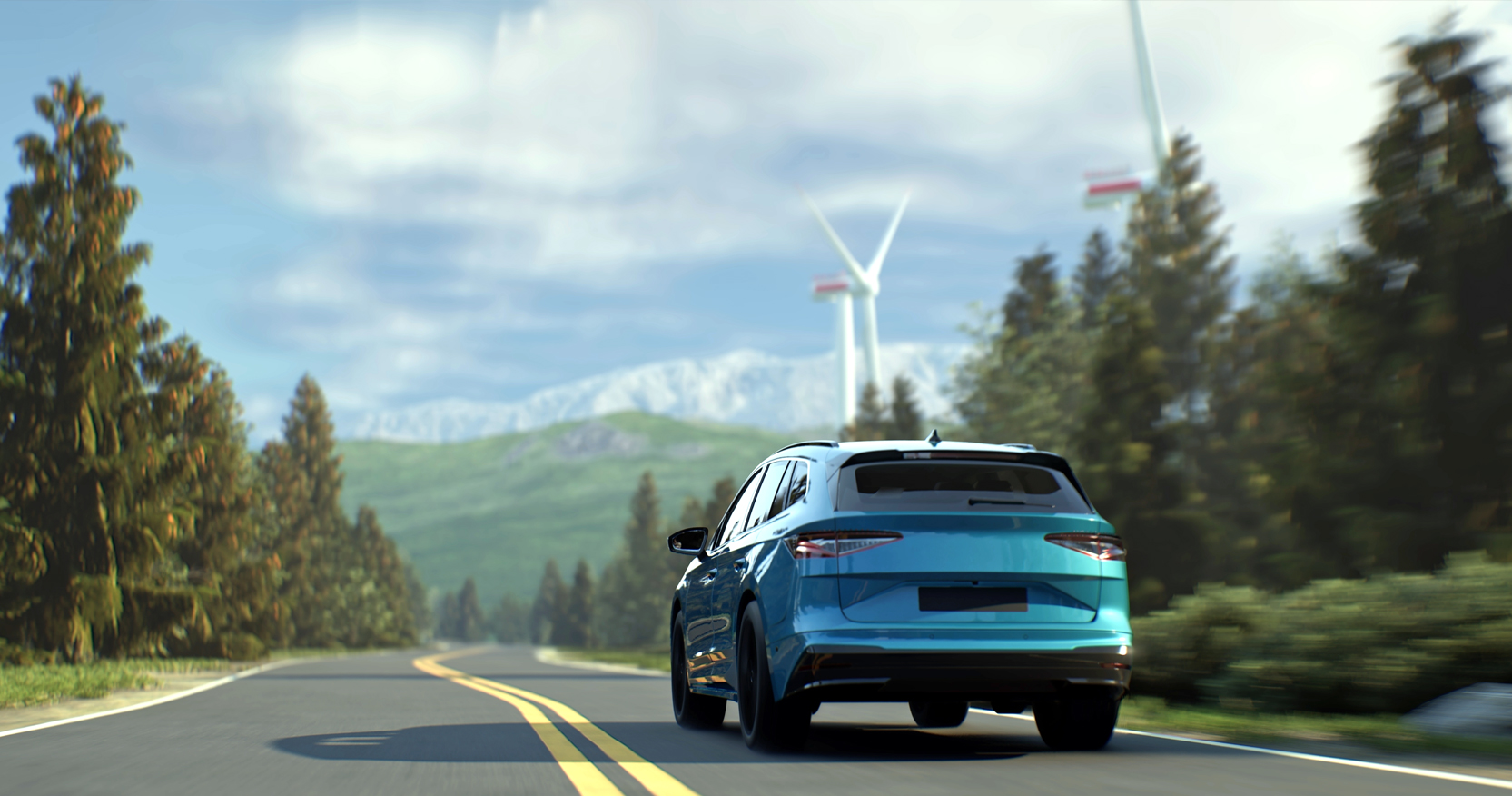
As the calendar turns toward a new year, the narrative surrounding electric mobility in India has transitioned from cautious experimentation to definitive growth. The year 2025 has served as a litmus test for the country’s automotive landscape, proving that the appetite for electric vehicles (EVs) is not merely a trend but a structural shift in consumer and commercial behavior. The numbers emerging from the end of November 2025 provide verifiable proof of this trajectory.
Total EV registrations across all segments, encompassing two-wheelers, three-wheelers, and four-wheelers, while excluding hybrids, have crossed the significant milestone of 2 million units. Standing at 2.02 million units with one month still remaining in the fiscal year, this figure has already eclipsed the 1.95 million units recorded at the end of 2024.
This upward surge is being driven by a mature recognition of value. Businesses and consumers alike have been won over by the low running and maintenance costs associated with EVs, their improving sustainability footprint, and increasingly eye-catching designs packed with modern features. However, as the vehicle count grows, the supporting infrastructure must evolve in tandem.
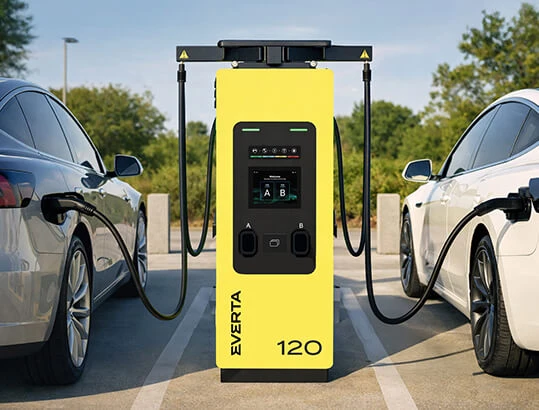
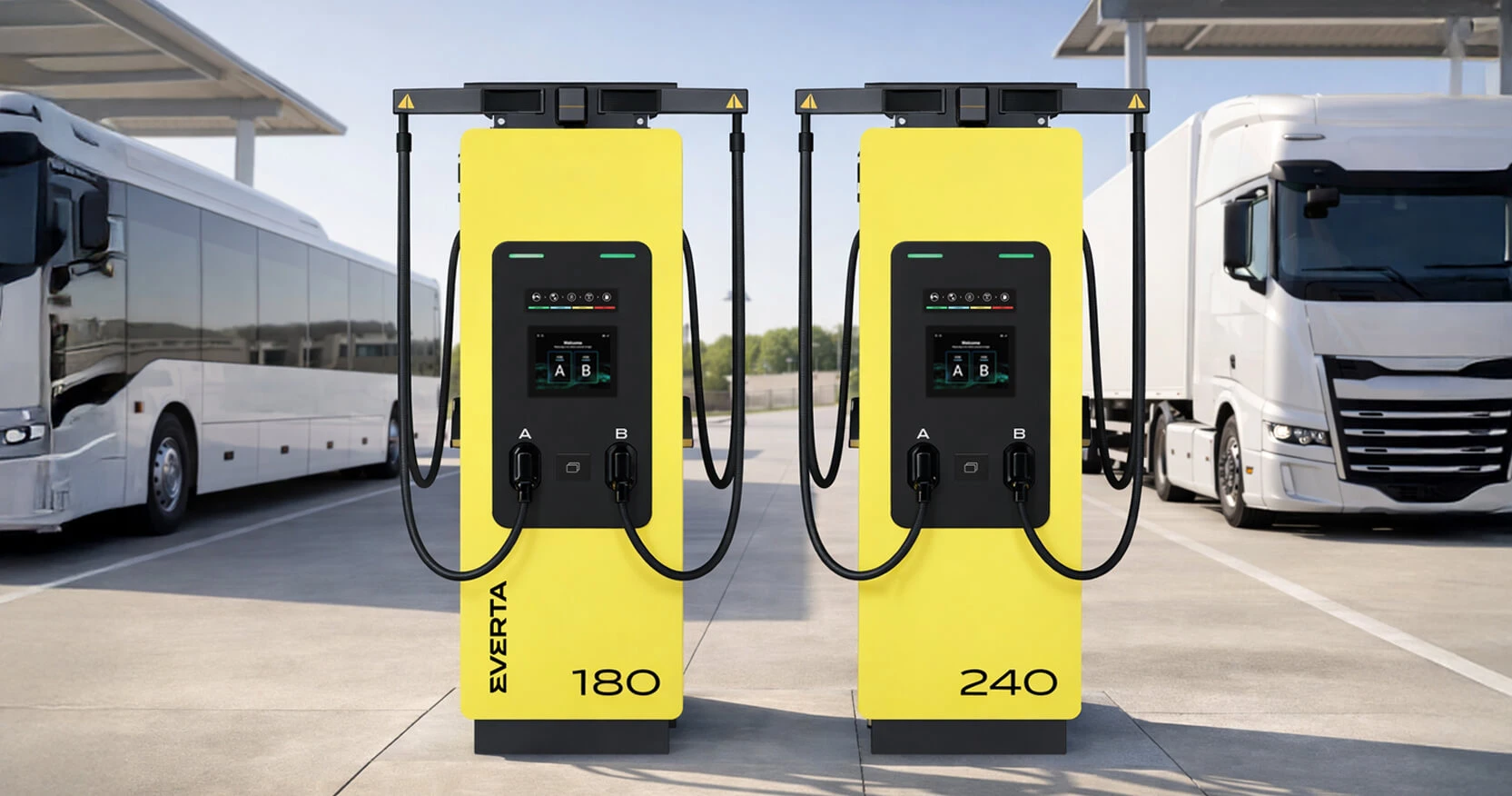
At the close of 2025, India’s charging landscape is supported by a large Alternate Current (AC) infrastructure and a smaller but strategically growing Direct Current (DC) network. Today, there are approximately 39,485 public charging stations across the country, a massive leap from just over 6,500 in 2023. Notably, within this network, an estimated 8,414 are fast DC chargers, specifically designed to cater to the growing population of electric cars.
Bridging The Regional Divide
While the aggregate numbers depict a robust national growth story, the regional distribution of this infrastructure reveals a landscape that is still developing unevenly. The growth has been asymmetrical, with certain progressive states significantly outpacing others in the deployment of charging hardware. States such as Karnataka and Maharashtra lead the nation, boasting thousands of charging stations disbursed across their respective territories. They are followed by Uttar Pradesh and New Delhi, which also count their operational stations in the thousands.
In contrast, other territories, including Tamil Nadu, Kerala, and Rajasthan, are witnessing growth but on a more modest scale. Meanwhile, in smaller states, the density of the network drops significantly, with numbers often hovering in double or even single digits in certain areas. This stark contrast between territories that are surging ahead and those that are catching up highlights a critical bottleneck. For India’s ambitious vision of achieving 30 per cent EV penetration by 2030 to materialise, the infrastructure must be ubiquitous. Easy intracity travel and the possibility of seamless long-distance journeys relies heavily on not only narrowing this state-wide gap but also on significantly expanding the existing charging network nationwide.
Expanding the charging network, particularly the DC fast-charging infrastructure, is the only viable solution to eliminate range anxiety, which remains the primary psychological and practical barrier to EV adoption among households and fleet operators.