When it comes to electric vehicle (EV) charging, DC fast chargers are a game-changer. Designed to deliver high power quickly, they play a crucial role in enabling the widespread adoption of EVs. Here’s a closer look at what makes DC chargers essential, who benefits most from them, and how they compare to other charging solutions.
Who Are DC Chargers Best For?
DC chargers are ideal for businesses and operators where speed, reliability, and efficiency are critical.
Key customers include:
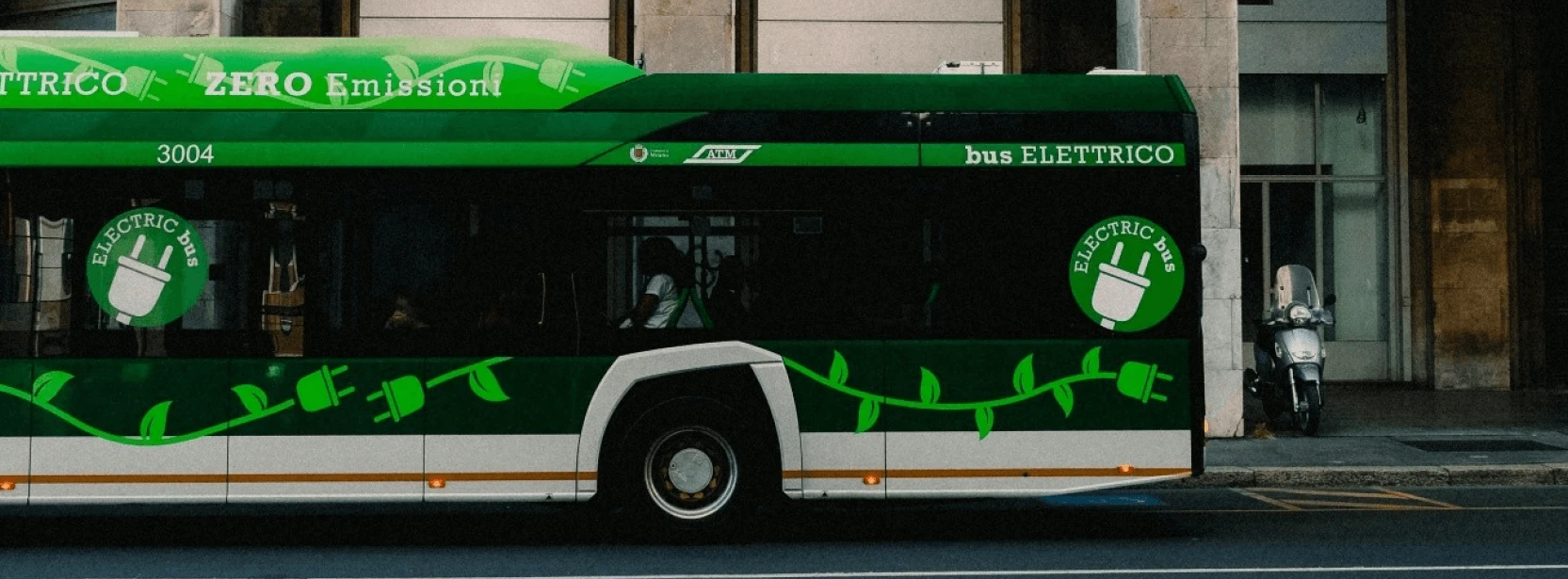
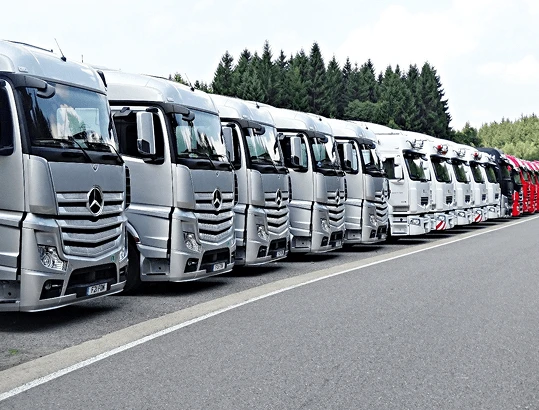
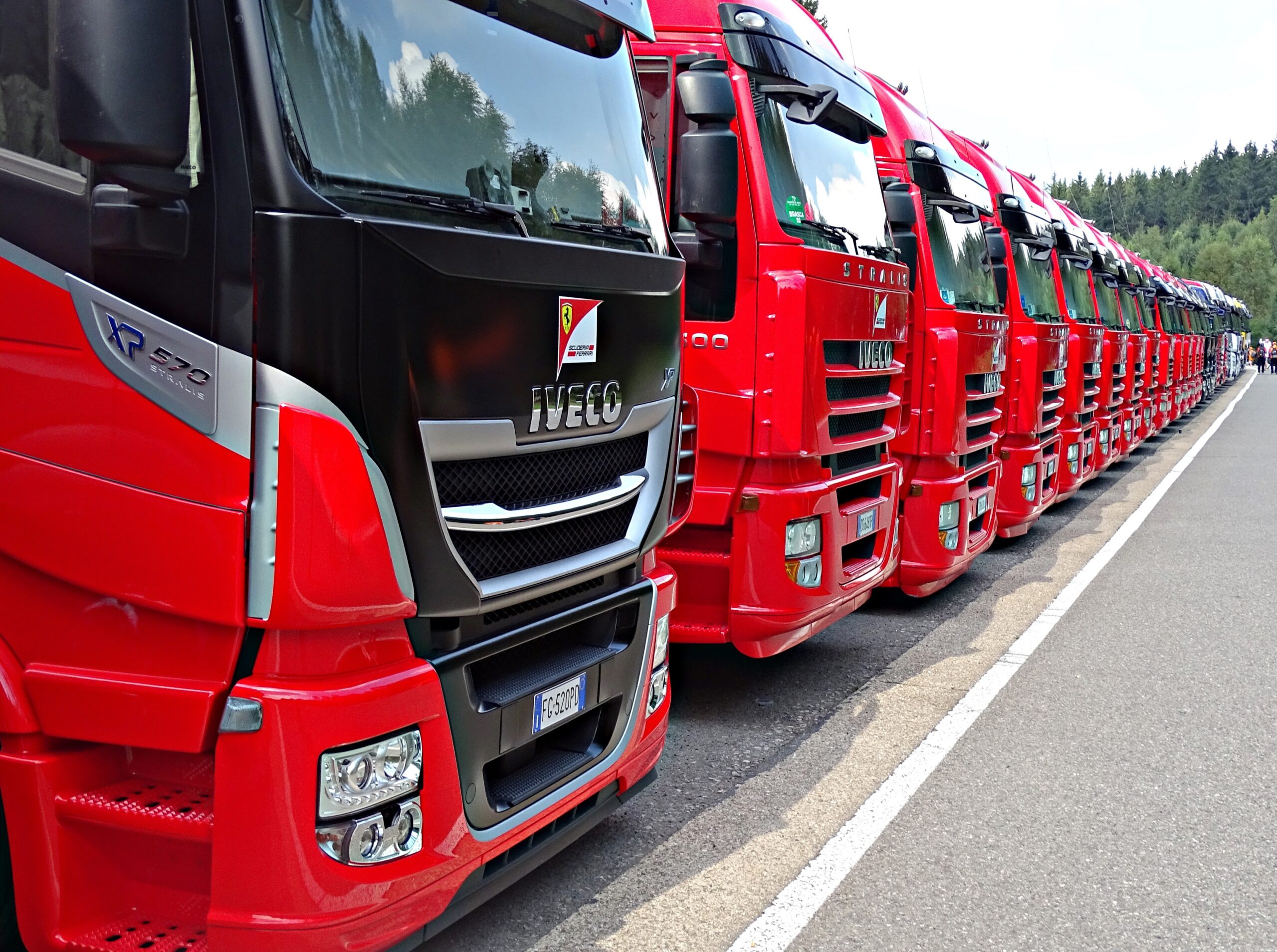
Fleet Operators: Minimize downtime with fast charging for delivery vehicles, buses, and trucks.
Charge Point Operators (CPOs): Offer ultra-fast charging at public stations to attract more users and reduce waiting times.
Transport and Bus Operators: Ensure efficient turnarounds for electric buses and long-haul trucks, keeping schedules on track.
Auto OEMs: Support test facilities, showrooms, and after-sales services with dependable, high-power chargers.
Commercial Hubs and Property Developers: Provide charging infrastructure for shopping malls, business parks, and residential complexes to serve visitors and tenants.
Energy Providers and Utilities: Collaborate with power companies to integrate chargers into energy grids and broader sustainability initiatives.
Key Applications of DC Chargers
DC fast chargers excel in high-demand environments where time is of the essence:
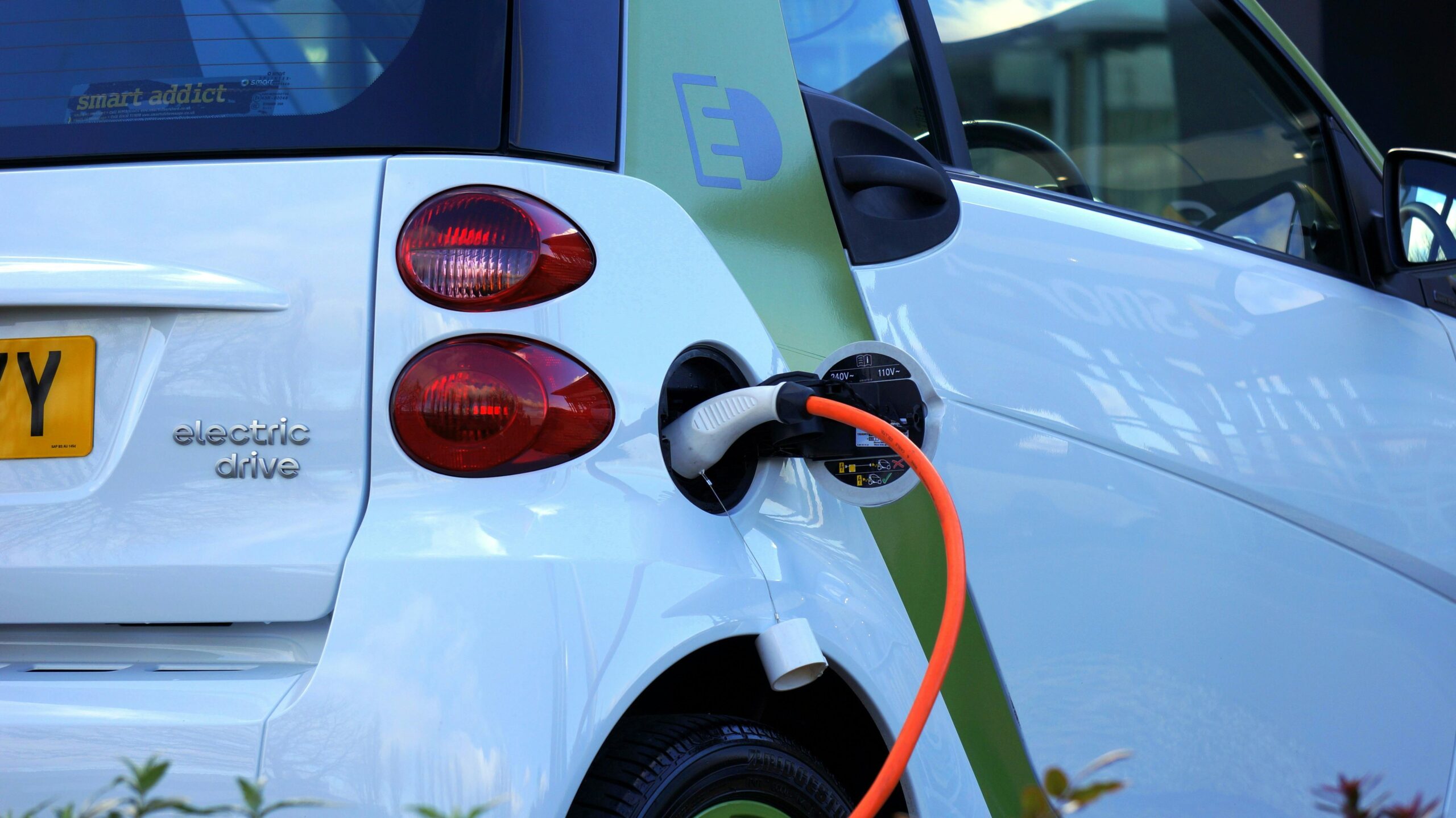
Public Charging Stations: Reduce waiting times for EV drivers with quick and efficient charging.
Commercial Hubs: Support business operations with fast-charging infrastructure for fleets.
Highway Rest Stops: Provide long-distance travelers with a fast, convenient charging option.
Bus and Truck Depots: Power heavy-duty electric vehicles efficiently between trips.
DC vs. AC Chargers: What’s the Difference?
While both types of chargers play important roles, they serve different purposes:
AC Chargers:
Designed for slower, overnight charging.
Ideal for homes, offices, and places with longer dwell times.
Lower cost and smaller in size.
DC Chargers:
Deliver high power directly to the battery, enabling ultra-fast charging.
Ideal for high-traffic areas and short dwell times.
Larger and more expensive but essential for commercial use.
Why DC Chargers Are Essential for EV Infrastructure
DC chargers are designed to deliver fast, efficient energy, making them critical for high-demand environments like fleet depots, public charging stations, and highway rest stops. They support the rapid growth of electric mobility by addressing common challenges such as long charging times and scalability.
Here are the key advantages of DC chargers:
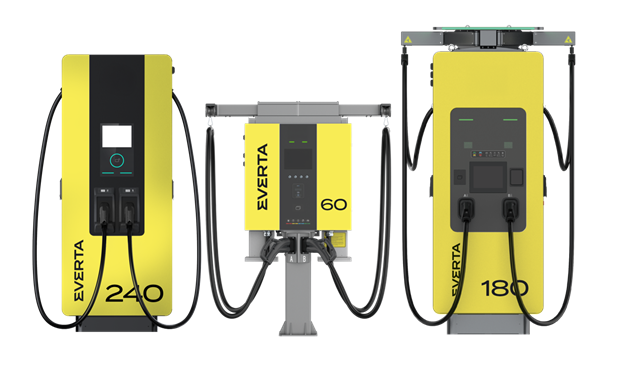
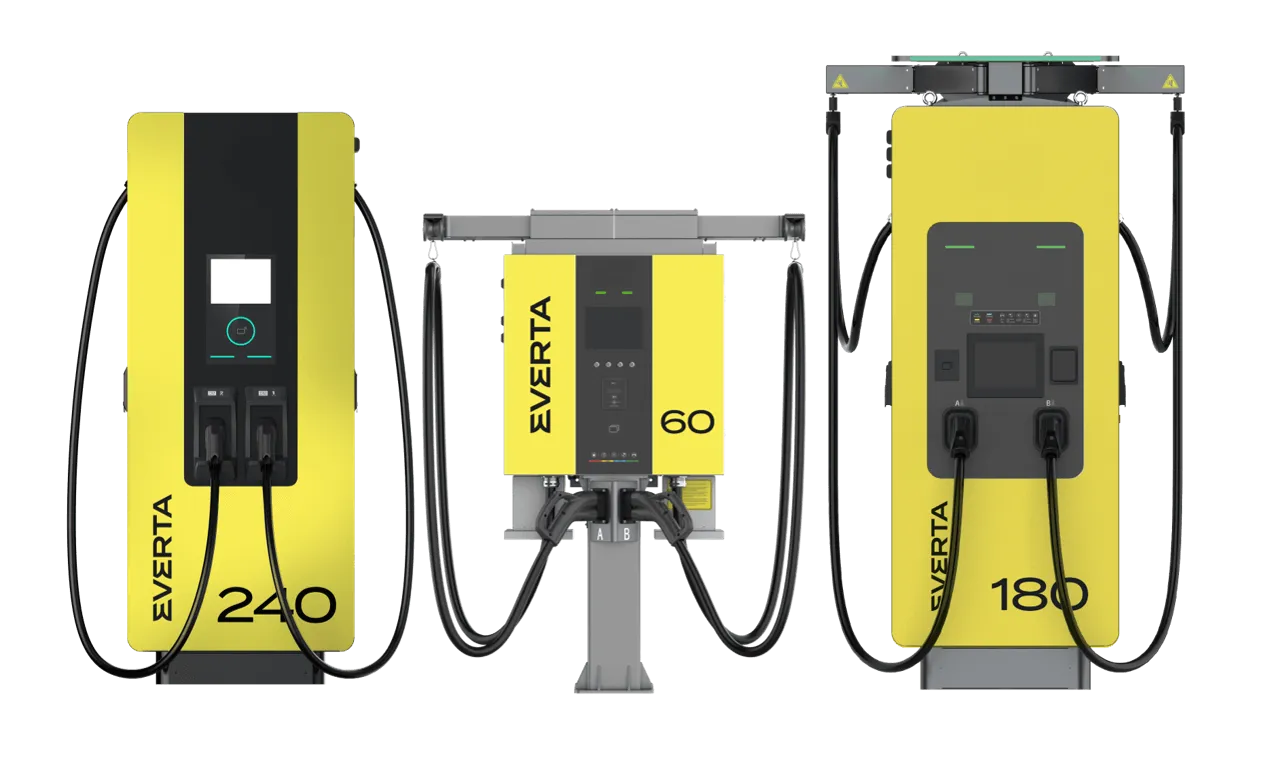
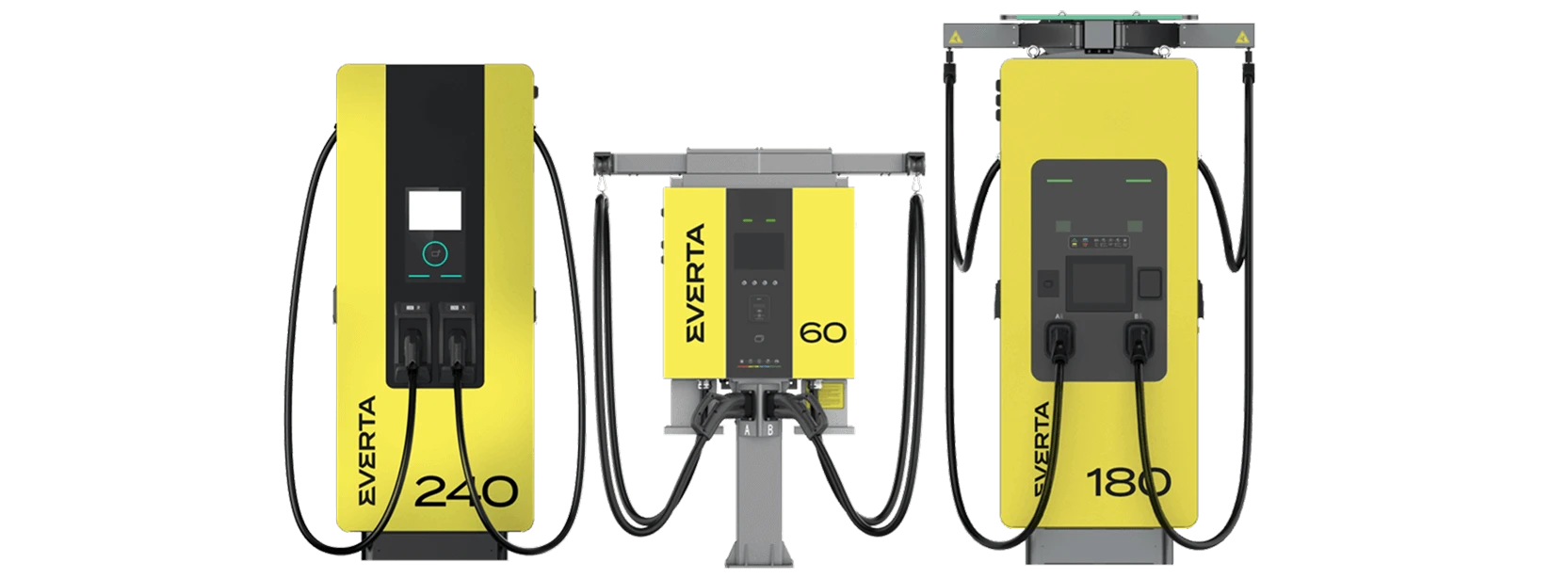
High Efficiency and Power Output: With capabilities of delivering up to 240kW or more, DC chargers significantly reduce charging times, enabling quicker turnarounds for EV users.
Wide Voltage Compatibility: Modern DC chargers are built to handle a broad range of voltage outputs, often between 150V and 1000V, ensuring they cater to various types of EVs, from passenger cars to buses and trucks.
Durability for Outdoor Use: Equipped with weather-resistant features like IP54 and IK10 ratings, these chargers are built to withstand tough conditions, making them reliable for long-term outdoor deployment.
Flexible Integration: Most DC chargers, including Everta’s models, support open protocols like OCPP 1.6J, ensuring seamless connectivity with backend systems for real-time monitoring and management.
User-Friendly Design: Features such as touchscreens and advanced authentication methods (e.g., RFID, app, or credit card) make DC chargers accessible and easy to use for diverse customer bases.
Empowering the Future of E-Mobility
DC chargers are more than just a product—they’re a critical part of the EV ecosystem. By reducing downtime, supporting diverse applications, and enabling faster adoption of electric vehicles, they pave the way for a greener, more connected future.
Whether you’re a fleet operator, a CPO, or a business looking to build EV infrastructure, DC chargers are the backbone of e-mobility.